 Paid content for

Culinary Innovation
FOR MICHIGAN’S CULINARY CREATORS, THE FINEST FLAVORS COMBINE PASSION, INGENUITY AND SUSTAINABILITY.

In Michigan, food is so much more than fuel.
Access to inspired dining is all around, and Michigan’s chefs, restaurant owners and food experts balance inventiveness in the kitchen with stewardship for the state’s natural resources. Here’s a sampling of tastemakers and the sustainable strategies that fuel their flavorful offerings.

Iliana Regan,
The Milkweed Inn
Nearly 53 percent of Michigan land is forested, which makes the state a forager’s paradise year-round. Chef Iliana Regan, owner of The Milkweed Inn, gathers edible plants, berries, roots and mushrooms to craft distinctive meals for guests during weekend glamping retreats at her micro bed-and-breakfast nestled in the Upper Peninsula’s Hiawatha National Forest. She is a six-time Michelin star winner for her former Chicago restaurant, Elizabeth.
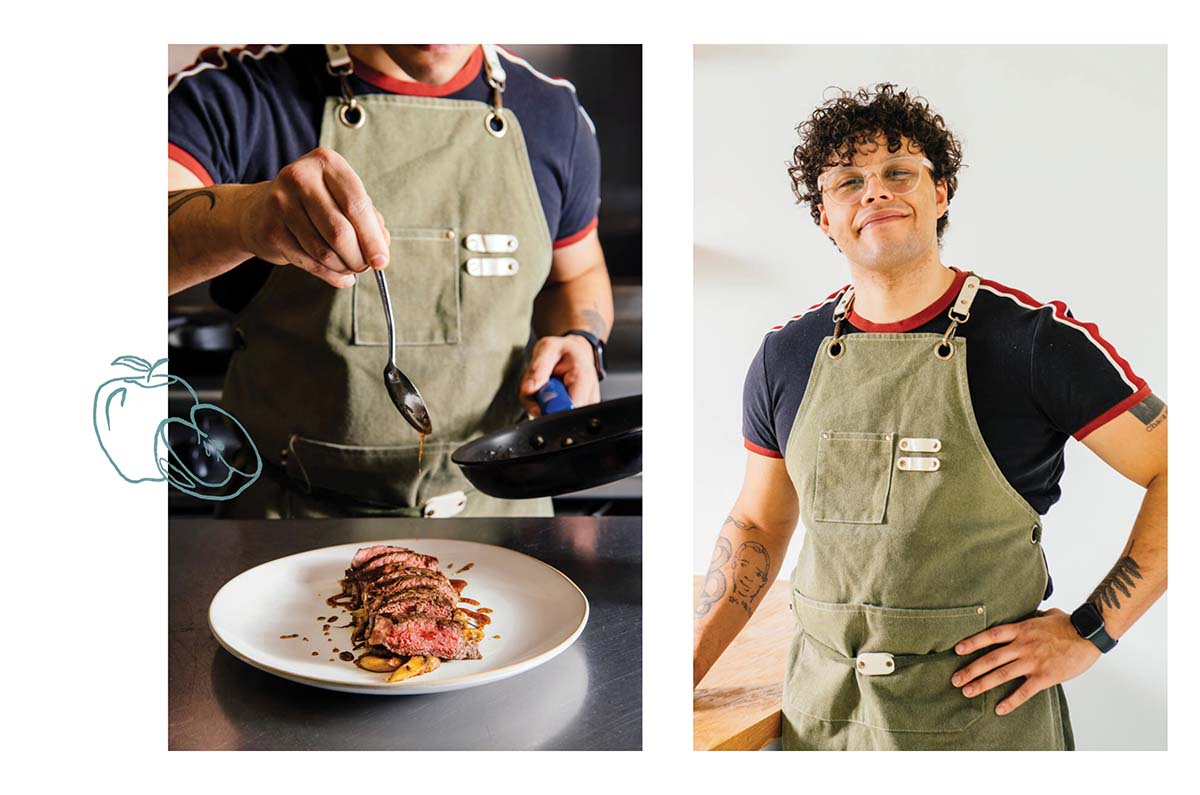
Camren Stott
As part of I-Collective, a group of Indigenous chefs, seed-keepers and knowledge holders making changes to the way we interact with food, Camren Stott leads foraging hikes in Grand Rapids, where he is also an enrolled member of Little Traverse Bay Bands of Odawa Indians. His catered events and group meals celebrate Native American ingredients in high cuisine. His menus will likely combine the Three Sisters (corn, beans and squash) in fresh ways and introduce lesser-known flavors from sumac, amaranth, wild huckleberries and chestnut flour.
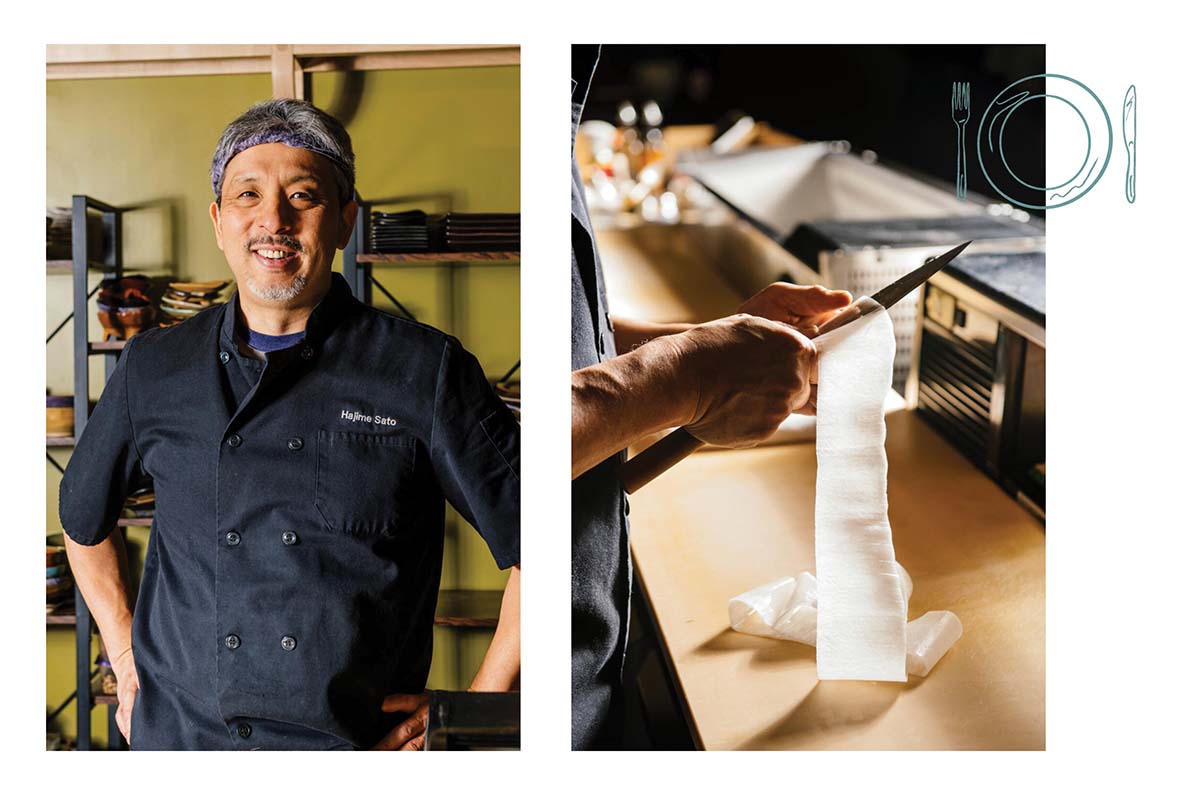
Hajime Sato,
Sozai Restaurant
Knowing the source of every ingredient—including how it was caught, farmed or harvested—is essential to owner and James Beard award-winning chef Hajime Sato of the sustainable sushi restaurant Sozai in suburban Detroit. This strategy, combined with a traditional Japanese omakase menu, enables Sato to serve the freshest maki and sashimi possible and then guide diners through their meals.

